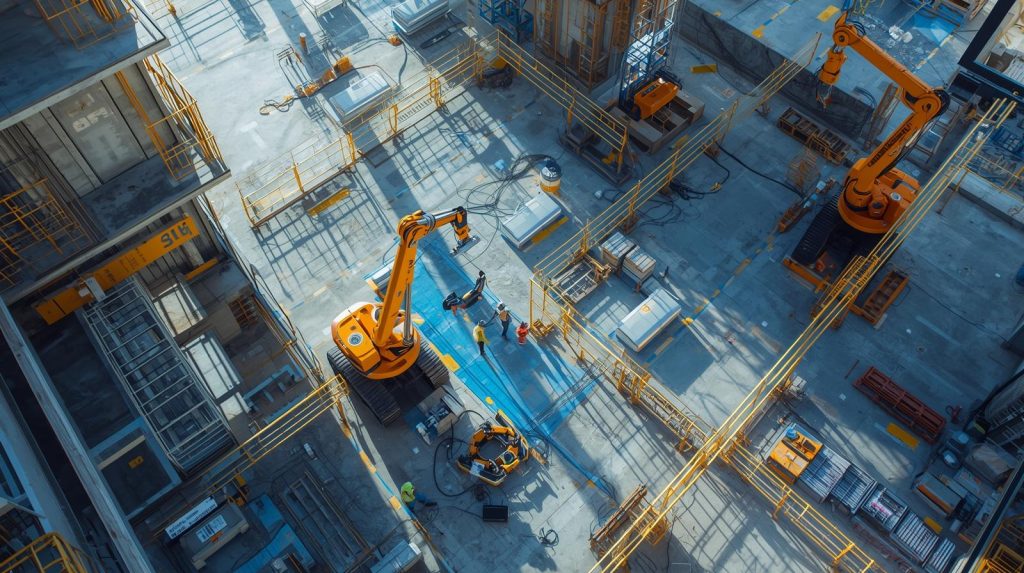
— Smart Manufacturing for New Infrastructure, Safety First: Integrated Digital Twin Smart Construction Site Solution
Introduction: The Digital Transformation Path of the Construction Industry
As a pillar of traditional industries, the construction industry is facing a series of development bottlenecks, including frequent safety accidents, inefficient personnel management, serious material waste, significant environmental pollution, and low efficiency in multi-party collaboration. How to leverage digital technology to empower traditional construction sites and achieve refined, intelligent, and green management has become crucial for the industry’s transformation and upgrading. The Smart Construction Site IoT Solution deeply integrates technologies such as BIM, IoT, AI, and cloud computing, aiming to create a “digital twin” of the construction site that maps it to the physical site. Through comprehensive perception, intelligent analysis, and collaborative control of the five major production elements—people, machines, materials, methods, and environment—it achieves transparent management, risk prevention and control, and efficiency improvement throughout the entire construction process, leading construction into a new era of safety, efficiency, and green development.
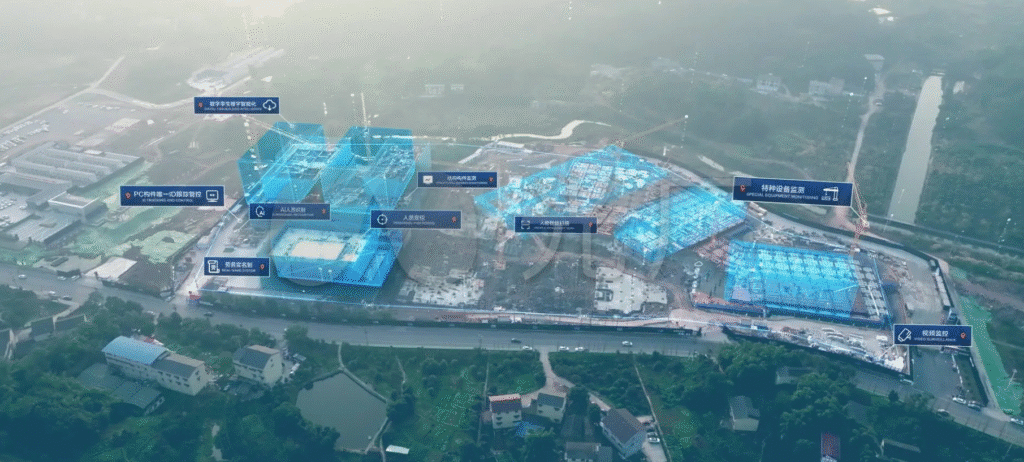
- Perception Layer (Construction Site “Neural Network”): Dynamic Collection of All Elements. In complex construction sites, various intelligent hardware are deployed to build a three-dimensional and interconnected perception network covering the entire site.
- Personnel Management: Intelligent access control and channels incorporating AI facial recognition enable real-name management of personnel. Smart safety helmets with built-in positioning chips are worn by personnel to obtain real-time location information, monitor whether they are being worn, and feature a one-click SOS emergency call function.
- Mechanical equipment monitoring: Installing black boxes (including load, torque, height, amplitude sensors, and video monitoring) on large machinery such as tower cranes, elevators, and excavators to provide early warning of violations and collision avoidance monitoring.
- Material Management: Through unmanned weighbridge systems and RFID/QR code technology, automatic acceptance, accurate measurement, and traceability management of bulk materials such as steel bars and concrete are achieved for entry and exit.
- Environmental monitoring: Deploy an integrated environmental monitoring instrument that monitors dust, noise, temperature, humidity, wind speed, etc. When the data exceeds the standard, it can be linked with fog cannons and sprinkler systems to automatically reduce dust.
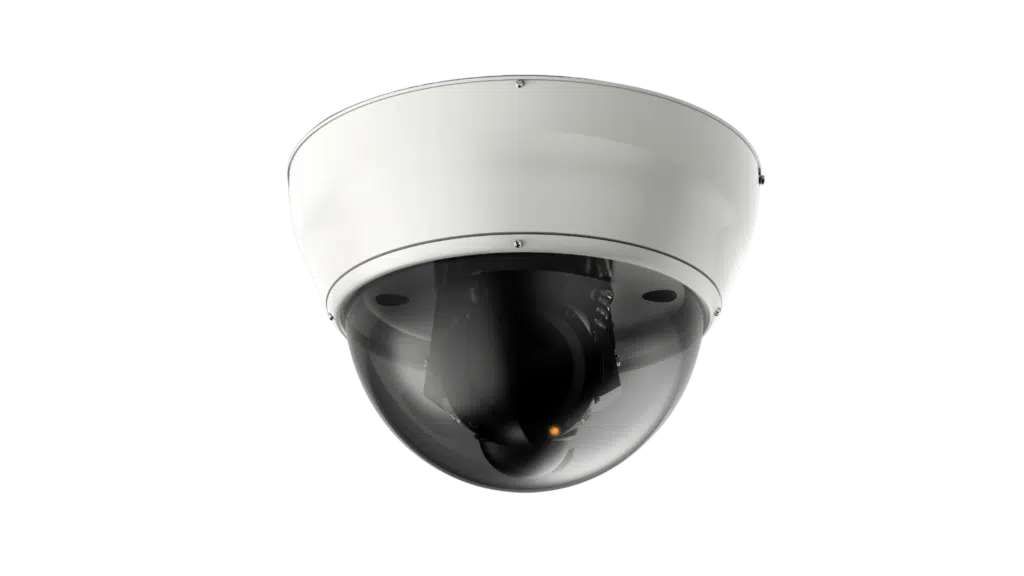
- Safety and Quality Monitoring: 24-hour structural safety monitoring of major hazard sources is conducted using high-support formwork sensors and foundation pit/slope displacement sensors. AI video analytics is used to automatically identify unsafe behaviors such as not wearing safety helmets, trespassing into dangerous areas, and the presence of smoke or open flames.




Leave a Reply